
Cardiovascular Health
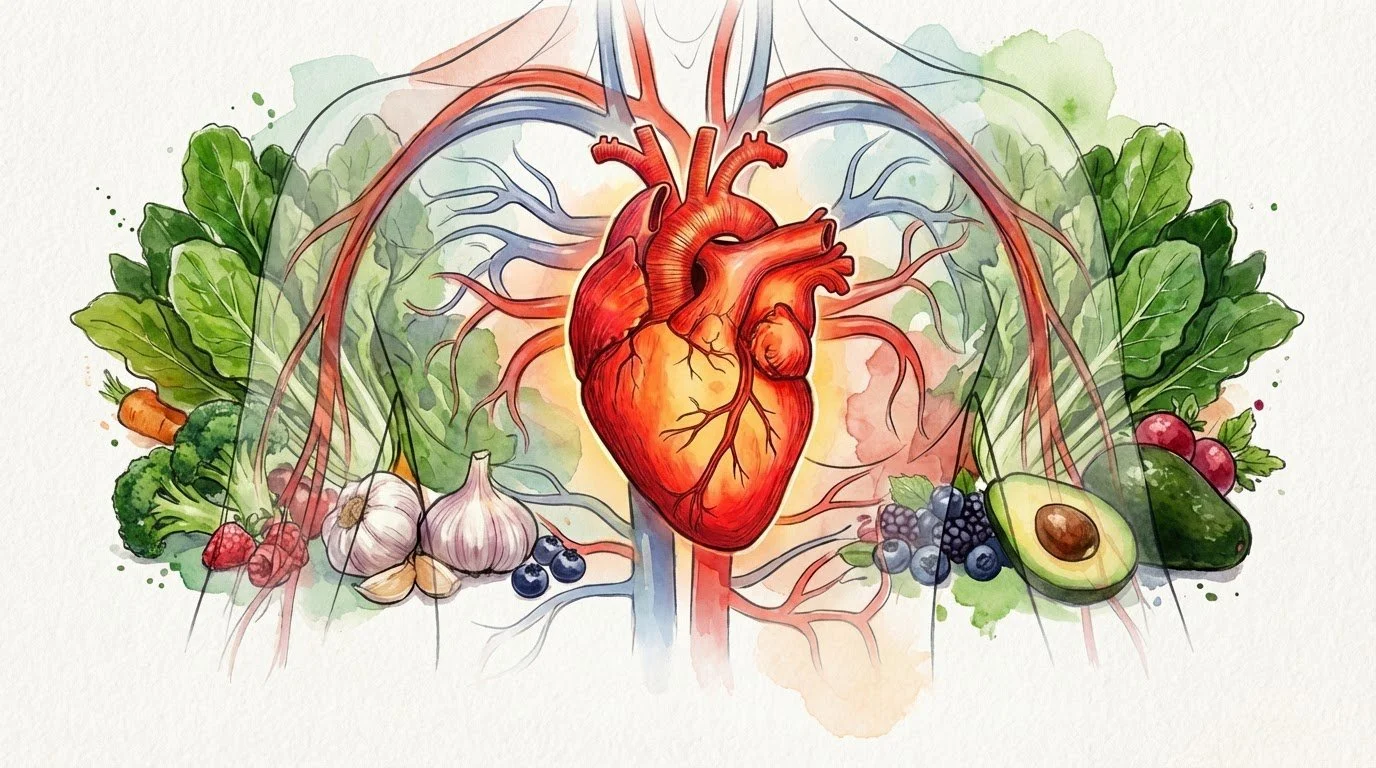
Nourishing the Heart: Foods and Supplements That Support Cardiovascular Health
Cardiovascular health is shaped every day by what we eat. While genetics and lifestyle factors like exercise and stress matter, nutrition remains one of the most powerful tools for supporting healthy blood pressure, balanced cholesterol, and resilient blood vessels. A heart-supportive approach doesn’t require extreme diets — just consistent choices that favor whole, nutrient-dense foods and targeted supplementation where helpful.
Build your foundation with whole foods
A heart-healthy diet starts with foods rich in fiber, antioxidants, and healthy fats. Vegetables — especially leafy greens like spinach, arugula, and kale — provide potassium and nitrates that help support healthy circulation and blood pressure. Colorful vegetables such as beets, carrots, and peppers add polyphenols that protect blood vessels from oxidative stress.
Fruits like berries, apples, and citrus are excellent choices thanks to their fiber and flavonoids, which are linked to improved vascular function. Whole grains such as oats, quinoa, and brown rice contribute soluble fiber that can help maintain healthy cholesterol levels by supporting the body’s natural clearance mechanisms.
Healthy fats are equally important. Extra virgin olive oil, avocados, nuts, and seeds provide monounsaturated fats and plant compounds that support healthy lipid profiles. Fatty fish — including salmon, sardines, and mackerel — are especially valuable because they supply omega-3 fatty acids, known to support normal triglyceride levels and reduce inflammation.
Legumes like lentils and beans offer a powerful combination of plant protein, fiber, and minerals that support metabolic and cardiovascular health. Replacing some refined carbohydrates or processed meats with legumes can make a meaningful difference over time.
Key supplements to consider
While food should come first, certain supplements can complement a heart-focused lifestyle.
Omega-3 fatty acids (EPA and DHA) are among the most studied nutrients for cardiovascular support. They help maintain healthy triglycerides and support balanced inflammatory responses.
Magnesium plays a role in vascular tone, heart rhythm, and blood pressure regulation. Many people fall short of optimal intake, making supplementation worth considering.
Coenzyme Q10 (CoQ10) supports cellular energy production, particularly in heart muscle, which has high energy demands. It is often used to support overall cardiovascular function, especially in individuals taking certain medications that may lower CoQ10 levels.
Soluble fiber supplements, such as psyllium, can help maintain healthy cholesterol when dietary fiber intake is insufficient.
Garlic extract and plant sterols have also been studied for their potential to support healthy cholesterol metabolism.
Don’t overlook lifestyle synergy
Nutrition works best alongside supportive habits. Regular physical activity improves circulation and metabolic health, while adequate sleep and stress management help maintain balanced blood pressure and inflammatory signaling. Hydration and moderation in sodium and added sugars further support cardiovascular resilience.
A sustainable approach
Supporting heart health is not about perfection but consistency. Emphasize whole foods, include healthy fats, and consider targeted supplements where appropriate. Over time, these daily choices help create an internal environment that supports strong circulation, balanced metabolism, and long-term cardiovascular vitality.